Best Tiles in Pakistan: How to Choose the Right Tiles for Your Home
Choosing the best tiles in Pakistan starts with understanding what your home needs. A tile that looks attractive on a showroom wall may not be the right choice for a bathroom floor or a busy kitchen. Material, finish, size, and maintenance all matter when making your decision.
Whether you are building a new house or renovating an existing space, the right tiles should suit your interior, handle daily use, and fit your budget. This guide explains what to look for when comparing floor tiles, wall tiles, and bathroom tiles for your home.
What Makes a Tile the Right Choice?
A good tile should offer more than an attractive design. It should be suitable for the area where you plan to install it and practical enough for everyday use.
Before buying, consider:
- Where the tile will be installed
- Whether the area will stay dry or become wet
- How much daily foot traffic it will receive
- How easy the surface is to clean
- Whether the colour and pattern suit your interior
- The complete cost of materials and installation
The best floor tiles in Pakistan will not be the same for every home. Your room’s requirements should guide your selection.
Porcelain Tiles for Floors and Busy Spaces
Porcelain tiles are a useful option for homeowners looking for a low-water-absorption material. They are available in marble-look, stone-look, concrete-look, and wood-look designs, making them easy to consider for different interior styles.
For living rooms and hallways, compare floor-rated porcelain tiles that suit the expected daily use. For kitchens, bathrooms, and outdoor areas, check the specific product’s suitability for moisture and the required surface grip.
Not every porcelain tile is suitable for every location. Ask about its approved use, finish, and maintenance requirements before purchasing.
At HVERSE, you can explore porcelain tile designs and compare options according to your room, preferred appearance, and budget.
Ceramic Tiles for Walls and Suitable Indoor Floors
Ceramic tiles offer a range of colours, patterns, and finishes for home interiors. They can be considered for bathroom walls, kitchen backsplashes, decorative areas, and indoor floors where the product is specifically approved for floor use.
When comparing ceramic tiles in Pakistan, check the intended application carefully. A ceramic wall tile should not be used on a floor unless the manufacturer confirms that it is suitable.
For walls, consider how the design will work with your fittings, cabinets, and lighting. For floors, give equal attention to performance and appearance.
Matt or Polished Tiles: Which Finish Should You Choose?
The finish changes how a tile reflects light and how the overall room looks.
Matt Tiles
Matt tiles have a softer appearance with less reflection. They work well with simple interiors, natural colours, and stone-look designs.
For bathroom and kitchen floors, shortlist tiles with suitable slip resistance. A matt finish alone does not guarantee grip, so check the product’s intended use rather than choosing only by appearance.
Polished Tiles
Polished tiles create a reflective surface that highlights colours and patterns. They can make a feature wall more noticeable, especially when used with marble-look or onyx-look designs.
If you prefer a balanced interior, consider a polished feature wall with a suitable matt floor. This allows the wall to stand out while keeping the flooring visually calm.
Best Tiles for Different Areas of Your Home
Each room has its own needs. Choosing tiles room by room can help you avoid buying one design that does not work equally well everywhere.
| Area | What to Prioritise |
|---|---|
| Living room | Floor suitability, colour, pattern, and daily wear |
| Bedroom | A comfortable visual style and manageable cleaning |
| Bathroom floor | Wet-area suitability, slip resistance, and drainage layout |
| Bathroom walls | Cleaning, design coordination, and wall suitability |
| Kitchen floor | Daily wear, stain resistance, and ease of cleaning |
| Outdoor area | Exterior approval, weather conditions, and wet surface grip |
Living Room Tiles
The living room floor connects your furniture, walls, and décor. Neutral shades such as beige, ivory, warm grey, and taupe can provide a flexible background for different furniture styles.
If your furniture already has strong colours or patterns, consider a quieter tile design. If the room is simple, a more noticeable stone or marble pattern can become a feature.
Compare several pieces together before deciding, as one tile may not show the full pattern variation.
Bedroom Tiles
For bedrooms, choose a design that works with the bed, wardrobes, curtains, and lighting. Wood-look tiles are an option if you like the appearance of timber, while plain or softly patterned tiles can create a simpler look.
Check samples in the actual room. The same tile can appear different under daylight and evening lighting.
Bathroom Tiles
When choosing bathroom tiles in Pakistan, start with the floor and then select complementary wall tiles.
The floor should be suitable for wet use, and its size should work with the drainage layout. Ask your installer to check this before ordering.
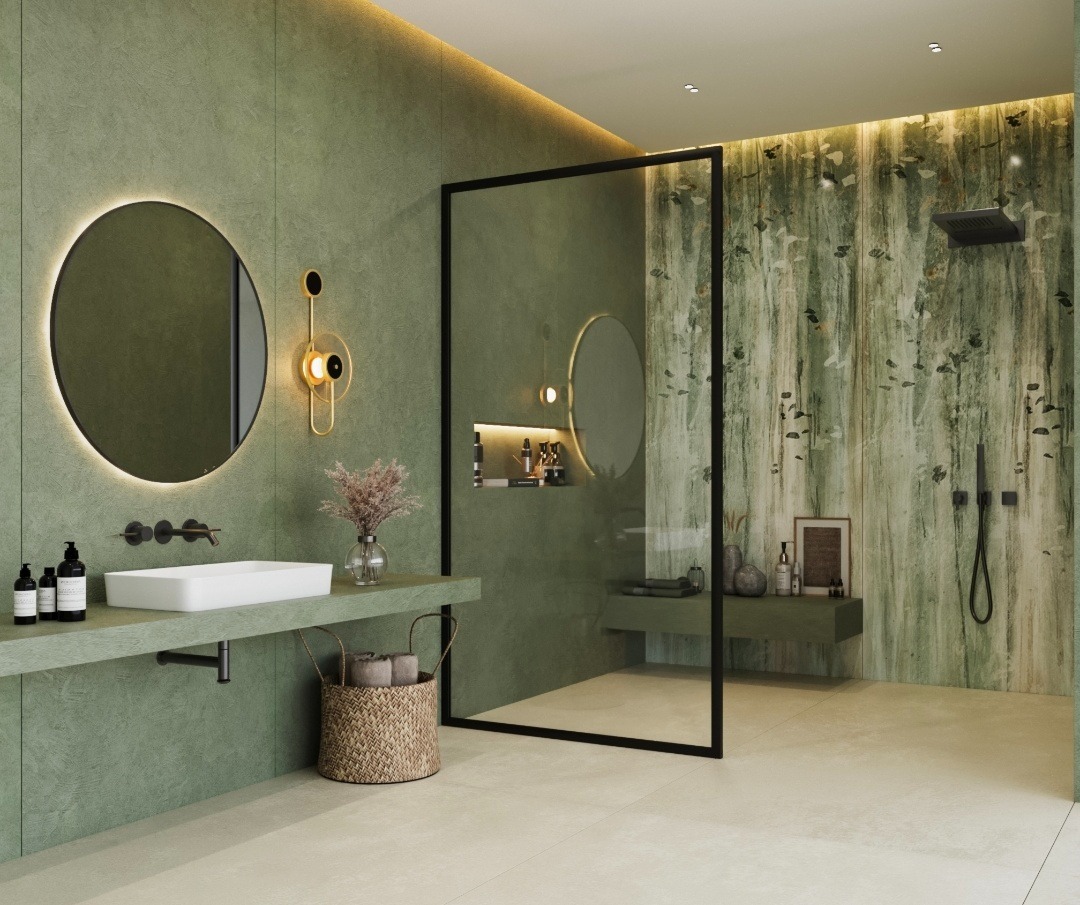
For the walls, you could combine a plain background tile with one feature area behind the basin or inside the shower. Keeping the number of patterns limited can help the bathroom look organised.
Kitchen Tiles
Kitchen floor tiles should suit regular cleaning and daily movement. Compare the surface texture, cleaning instructions, and suitability for floor use.
For the backsplash, consider a tile that complements the countertop and cabinets. View these materials together before finalising the combination.
Outdoor Tiles
For terraces, entrances, and other exposed areas, choose tiles specifically approved for outdoor use.
Check their suitability for local weather, wet conditions, and the expected traffic. Your installer should also plan drainage and installation details for the location.
Are Imported Tiles Better Than Local Options?
When comparing imported tiles in Pakistan, you may come across Italian, Spanish, Turkish, and Chinese collections. Country of origin can help identify a product, but it should not be the only reason for your choice.
Compare the actual tile’s specifications, finish, design, availability, and installation requirements. Ask the same questions for every collection, regardless of where it comes from.
A suitable product with clear specifications and reliable supply is more useful than a tile chosen only because of its country label.
HVERSE brings together different tile collections, allowing you to compare designs and materials according to your project’s requirements.
How to Choose the Right Tile Size
Tile size should suit the room’s measurements and planned layout.
Large tiles can create a more continuous appearance with fewer visible joints. However, they need suitable surface preparation, handling, and installation.
Smaller tiles can be useful in detailed areas or layouts where more flexibility is needed. In a bathroom, the drain position and floor slopes may influence the choice.
Before ordering, ask your installer to plan the layout. Check where cut pieces will appear, especially near doorways and visible walls. A well-planned arrangement can make a bigger difference than choosing a larger tile simply because it looks impressive on display.
How to Check Tile Quality Before Buying
You do not need to judge a tile by appearance alone. Ask for product details and inspect samples before placing an order.
Confirm the Product Specifications
Record the brand, collection, product code, size, and finish. Make sure the quotation refers to the exact product you selected.
Check Several Pieces
Look at more than one tile to understand the colour and pattern variation. Some designs are intentionally varied, while others aim for a more uniform appearance.
Confirm Shade and Batch Details
Ask whether the required quantity is available in a consistent shade and size group. This is particularly useful when buying tiles for a continuous floor.
Ask About Cleaning
Choose a surface that suits your maintenance routine. Ask which cleaning products are suitable and whether the tile needs any specific care.
Keep Spare Tiles
Have your installer calculate the quantity needed for cuts and spare pieces. Store any remaining tiles safely with the product label for future repairs.
Compare the Complete Tile Cost
When checking tiles price in Pakistan, make sure you understand the pricing unit. A rate per box is different from a rate per square foot or square metre.
Your complete budget should include:
- Tiles and the additional quantity required
- Adhesive, grout, and other installation materials
- Fitting labour
- Floor or wall preparation
- Delivery and unloading
- Skirting, trims, and finishing work
Ask for a clear quotation before making a decision. This helps you compare products fairly and avoid overlooking necessary expenses.
Find the Right Tiles for Your Home with HVERSE
Finding the best tiles in Pakistan means choosing a product that suits your space, daily use, and design preferences.
At HVERSE, explore ceramic, porcelain, and imported tile collections for different areas of your home. Bring your room measurements, photographs, and preferred colours when discussing options.
Compare samples, confirm the product specifications, and plan the installation before placing your order. These steps will help you choose tiles that look right and work well in your home.
Frequently Asked Questions
Which tiles are best for home flooring in Pakistan?
Floor-rated porcelain and ceramic tiles can both be suitable. The right choice depends on the room, moisture exposure, daily wear, and the specific product’s performance.
Which tiles should I choose for a bathroom floor?
Choose tiles approved for wet floors with suitable slip resistance. Ask your installer to confirm that the size and layout will work with the drain and required slopes.
Are matt tiles better than polished tiles?
They serve different design preferences and applications. Matt tiles offer less reflection, while polished tiles create more shine. Always check suitability for the intended location.
Are expensive tiles always better?
A higher price does not automatically make a tile more suitable for your home. Compare its specifications, design, availability, maintenance needs, and installation cost.
How can I match tiles with my interior?
Place physical samples beside your wall colours, furniture, and other finishes. Check them in daylight and under your usual indoor lighting before making the final choice.