Italian Tiles vs Local Tiles: Which One to Pick?
If you’re choosing tiles for your home or project, you’ve likely faced this exact question: Should you go for Italian tiles or stick with local options?
Initially the answer seems obvious and imported sounds better. But once you start comparing prices, designs, durability, and availability, things get complicated quickly. Showrooms often push what they have in stock, not what’s best for you.
So what should you choose?
Remember, the right choice depends on your budget, purpose, and expectations, not just branding.
This guide will help you clearly understand the difference between Italian tiles, imported tiles Pakistan, and local tiles, so you can make the best decision.
What Do We Really Mean by Italian and Local Tiles?
Before comparing quality or cost, it’s important to understand what these terms actually mean.
Italian tiles refer to tiles manufactured in Italy or by Italian-origin brands. These are usually sold under the category of imported tiles Pakistan or European tiles Pakistan. They are known for their advanced manufacturing processes, refined designs, and consistent finishing.
Brands like Emil Ceramica Pakistan and IRIS Ceramica Pakistan represent this segment and are often associated with high-end projects and premium interiors.
Local tiles, on the other hand, are manufactured within Pakistan. They range from basic construction-grade tiles to increasingly competitive mid-range options that mimic imported designs. One of the leading local brands is Aive that offers incredible quality tiles.
Understanding this distinction helps avoid the common mistake of assuming one is always better than the other.
| Italian Tiles vs Local Tiles: Comparison | ||
| Feature | Italian Tiles | Local Tiles |
| Origin | Imported from Italy or Europe (premium segment) | Manufactured within Pakistan |
| Positioning | Part of imported tiles Pakistan / luxury segment | Budget to mid-range segment |
| Quality Consistency | Highly consistent in size, thickness, and finish | May vary depending on manufacturer and batch |
| Material Strength | High-density porcelain, more durable and less porous | Varies; good in higher-end local brands, weaker in low-cost options |
| Design & Aesthetics | Advanced textures, realistic marble/stone finishes, trend-driven | Good variety but often follows trends, less detailing |
| Brands | Includes names like Emil Ceramica Pakistan and IRIS Ceramica Pakistan | Multiple local manufacturers with varying quality levels where Aive is leading |
| Durability | Long-lasting, resistant to stains, scratches, and moisture | Depends on quality; may wear faster in lower segments |
| Installation Requirement | Requires skilled labor for precise installation | Easier to install, more easy for standard labor |
| Maintenance | Low maintenance, easy to clean, retains finish longer | May require more upkeep depending on surface quality |
| Availability | Limited stock, longer lead times, possible discontinuation | Easily available across Pakistan |
| Cost | High (premium tiles Pakistan category) | Affordable to mid-range pricing |
| Best Use Areas | Living rooms, feature walls, bathrooms, luxury spaces | Bedrooms, large floor areas, rental or budget projects |
| Risk Factor | Higher cost, dependency on imports | Lower financial risk, easier replacement |
| Overall Value | High-end finish + long-term performance | Practical, cost-effective solution |
Quality Comparison: Is Imported Always Better?
One of the biggest misconceptions is that imported automatically means higher quality.
Italian tiles, especially Italian porcelain tiles Pakistan, are manufactured using high-pressure and high-temperature processes. This results in tiles that are denser, less porous, and more consistent in size and finish. These characteristics reduce installation issues and improve long-term performance.
Local tiles have improved significantly over the years. Many manufacturers now offer decent durability and acceptable finishing for residential use. However, inconsistencies can still occur in lower or mid-range products, such as slight variations in dimensions or uneven glaze.
So while imported tiles often have a quality edge, the gap is not always as extreme as people assume.
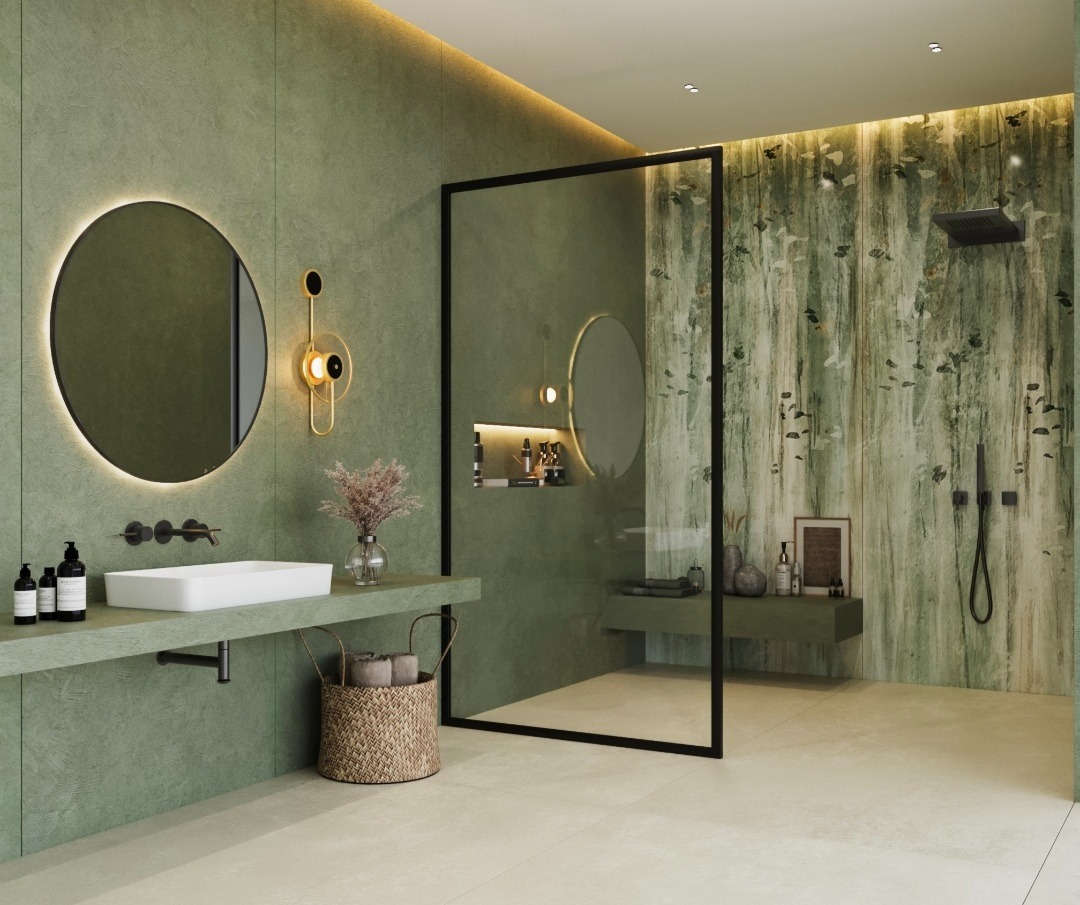
FAP Ceramiche blends traditional craftsmanship with modern techniques to craft “Made in Italy” Big Slabs rich in color, texture, and emotion. Their standout offerings like 3D textured and floral-pattern slabs. They come in 120×278 cm, while tile formats include 100×120 RT, 80×160 cm, 60×60 RT, and 6×24 RT.
Design and Aesthetics: Where Italian Tiles Stand Out
When it comes to design, Italian tiles clearly differentiate themselves.
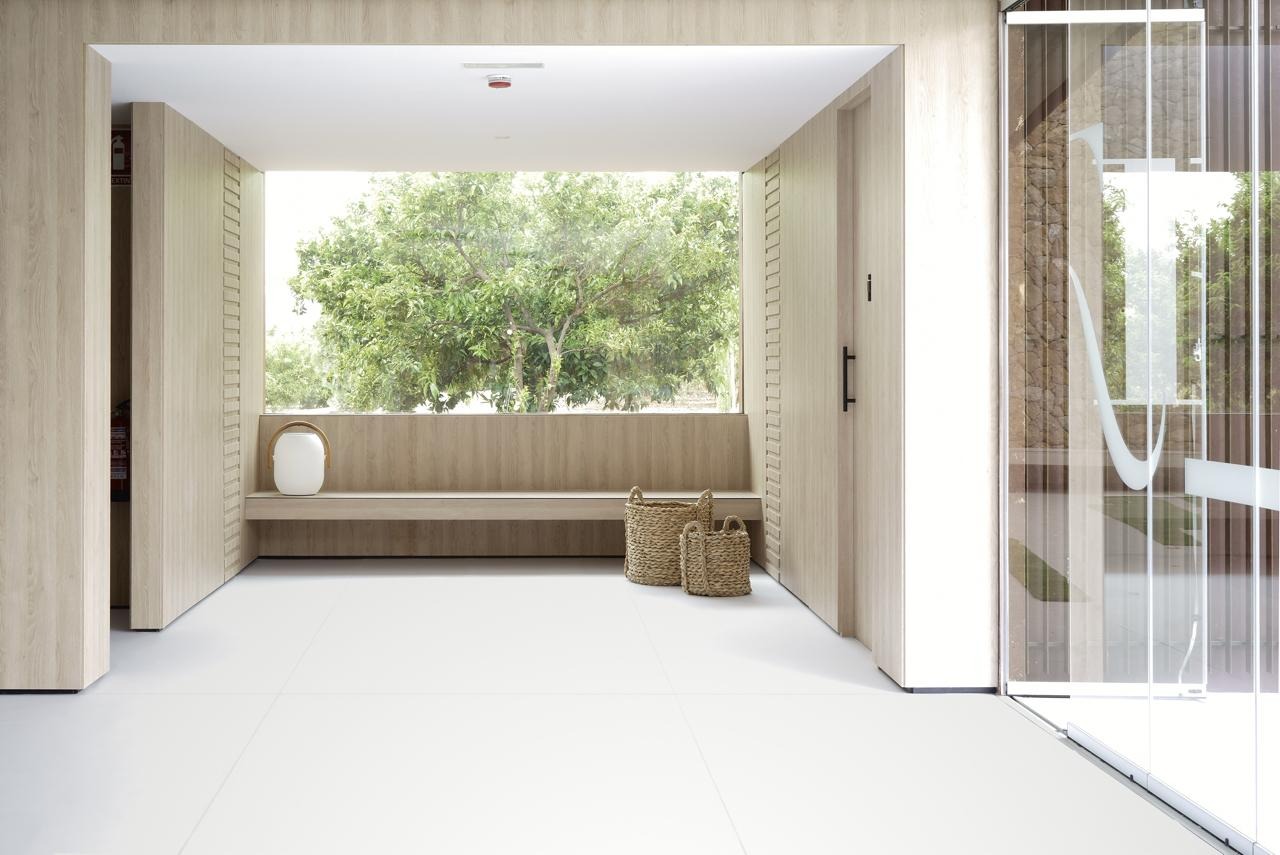
European tiles Pakistan are developed with a strong focus on aesthetics. They often replicate natural materials like marble, stone, and wood with remarkable accuracy. The textures, patterns, and finishes are more refined and feel closer to real materials.
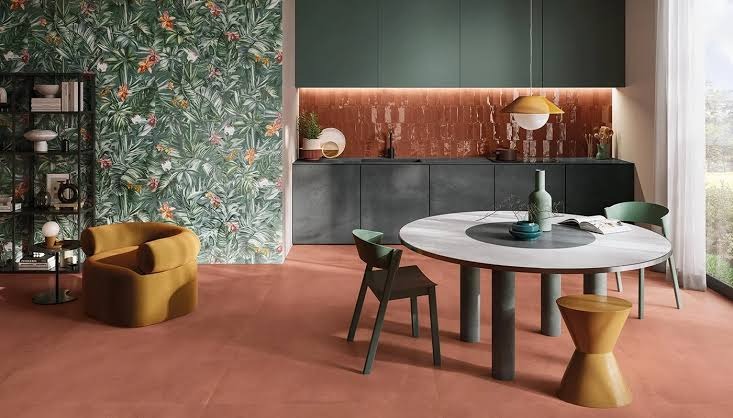
Local tiles tend to follow trends rather than lead them. While they offer a wide range of designs, they may lack the depth, detailing, and realism seen in imported collections.
This is why Italian tiles are commonly associated with luxury tiles brands Pakistan and are used in spaces where visual impact matters most.
If design plays a major role in your project, imported tiles offer a noticeable advantage.
Durability and Performance
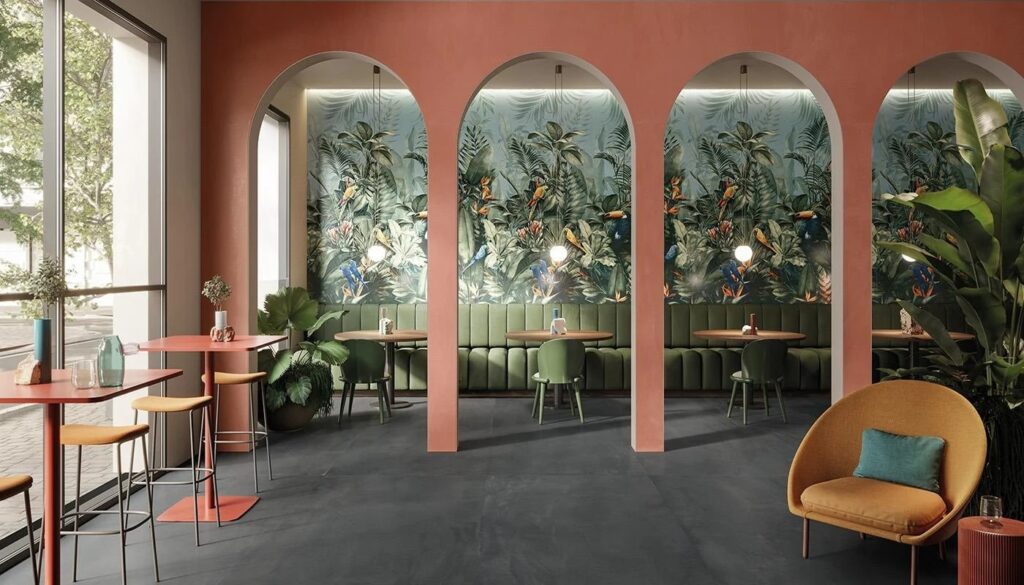
Tiles are long-term investments, so durability is a critical factor.
Italian tiles are typically more durable due to their dense composition. They resist water absorption, stains, and scratches better than most standard tiles. This makes them suitable for high-traffic areas and spaces exposed to moisture, such as kitchens and bathrooms.
Local tiles can still perform well, particularly in controlled environments like bedrooms or low-traffic areas. However, performance varies depending on the manufacturer and quality tier. Lower-end tiles may wear out faster or show signs of aging sooner.
If you’re looking for long-term reliability with minimal maintenance concerns, imported tiles generally provide more consistent performance.
Cost: The Most Decisive Factor
For most buyers, cost is the deciding factor.
Imported tiles fall under the premium tiles Pakistan category due to additional expenses like shipping, duties, and brand positioning. This makes them significantly more expensive compared to local options.
Local tiles are far more affordable and accessible, making them suitable for large-scale projects or budget-conscious builds.
You’ve to approach this strategically. Instead of choosing one category for the entire project, many homeowners mix both. They invest in imported tiles for visible or high-impact areas and use local tiles for less prominent spaces.
This approach balances cost without compromising overall quality.
Availability and Lead Time
Availability is a practical factor that can affect your entire project timeline.
Local tiles are easily available across Pakistan. If you need additional pieces or replacements, they can usually be sourced quickly without delays.
Imported tiles, however, often come in limited stock. If your chosen design runs out, reordering may take weeks or even months. There is also a risk that the design may be discontinued.
For projects with tight deadlines or uncertain quantities, local tiles offer more flexibility and peace of mind.
Installation and Practical Handling
Installation plays a major role in the final outcome, regardless of tile quality.
Italian tiles require precise installation due to their exact dimensions and fine finishing. This often means hiring experienced labor familiar with imported materials. Improper installation can reduce their visual impact and performance.
Local tiles are generally easier to install. They are more forgiving during alignment and cutting, which makes them suitable for standard contractors.
If your installation team lacks experience with high-end tiles, you may not get the full benefit of imported products. In such cases, local tiles might be the more practical choice.
Maintenance and Long-Term Use
Maintenance is often overlooked but becomes important over time.
Italian porcelain tiles are easier to maintain due to their low porosity. They resist stains and retain their finish for longer periods. This makes them ideal for kitchens, bathrooms, and high-use areas.
Local tiles may require slightly more maintenance depending on their surface quality. Some finishes may fade or become dull over time if not properly cared for.
However, proper cleaning and maintenance habits can significantly extend the lifespan of any tile. The difference becomes noticeable mainly in long-term usage rather than short-term performance.
When Should You Choose Italian Tiles?
Italian tiles are best suited for projects where design, finish, and long-term value are priorities.
They work particularly well in areas where aesthetics matter most, such as living rooms, bathrooms, and feature walls. Their refined appearance can elevate the overall look of a space and create a premium feel.
If your budget allows and you are aiming for a high-end result, investing in imported tiles can be worthwhile. They also add value to the property, especially in luxury residential projects.
With deep roots in Italian culture, Fondovalle transforms materials like wood, stone, and metal into Big Slabs of unmatched beauty. Sizes like 120×278 cm and 163×324 cm Bookmatch pieces highlight their commitment to trendsetting design and expert manufacturing.
When Should You Choose Local Tiles?
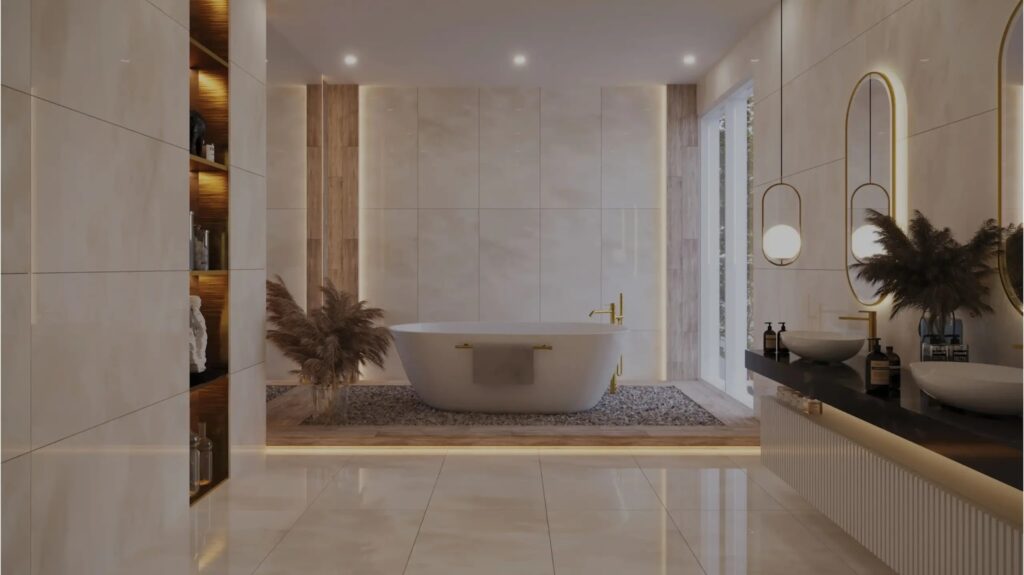
Local tiles are ideal for practical and budget-conscious decisions.
They are suitable for large areas like bedrooms, corridors, and secondary spaces where extreme precision or luxury finishes are not essential. They also make sense for rental properties or commercial projects where cost control is important.
With the right selection, local tiles can still deliver a clean and modern look without significantly increasing your budget.
In 2022, Aive redefined accessible elegance with tiles that offer both style and resilience. With finishes like matt, polished, wood, and rock luster, and sizes ranging from 15×80 cm to 60×120 cm, Aive delivers diverse options without compromising on quality.
The Smart Strategy Most Experts Use
Most experienced designers and builders do not rely on a single type of tile.
Instead, they combine both Italian and local tiles strategically. Imported tiles are used in areas where visual impact and durability matter most, while local tiles are used in functional or less visible spaces.
This approach allows you to achieve a premium look without overspending. It also reduces risk, as you are not fully dependent on imported stock or high costs.
This balanced strategy is often the most practical solution for modern projects in Pakistan.
To Sum Up
Choosing between Italian and local tiles is about priorities. Italian tiles offer better design, consistency, and long-term performance. Local tiles offer affordability, availability, and practicality.
The best decision comes from understanding your project needs clearly. Identify where quality and design matter most, and allocate your budget accordingly.
In most cases, a combination of both provides the best results. Reach out to us now to find the best option for your project.