Matt Tiles for Homes: Best Choices for Slip-Free Spaces
When homeowners talk about upgrading their floors or rethinking the surfaces in wet areas, matt tiles almost always come up as a top recommendation. And for good reason. Matt tiles combine understated elegance with real, functional safety something that glossy surfaces simply cannot match, especially in rooms where water, steam, spills, or soap can turn floors into hazards. As families with children, elderly parents, or high foot traffic look for smarter flooring, the trend toward matte finish flooring continues to grow.
But not all matt tiles are created equal. Some are beautiful but offer lower friction than expected, some are highly slip-resistant but harder to clean, and others strike the perfect balance between safety, design, and durability. This guide helps you understand the best anti-slip tile options, where matt tiles genuinely shine, what technical specifications matter, and how to choose the perfect style for modern homes.
Why Matt Tiles Are the Go-To Choice for Slip-Free Homes
The biggest advantage of matt tiles lies in their surface. A matt or textured surface scatters light rather than reflecting it. This reduces glare and provides a subtle grip underfoot. Where glossy tiles behave like mirrors beautiful but slippery when wet matt tiles remain reliable, making them ideal for bathrooms, kitchens, entryways, terraces, and staircases.
Unlike shiny surfaces that become more slippery with water, a matt tile’s grip often improves with texture. This makes them one of the most trustworthy materials for homes where safety is a priority.
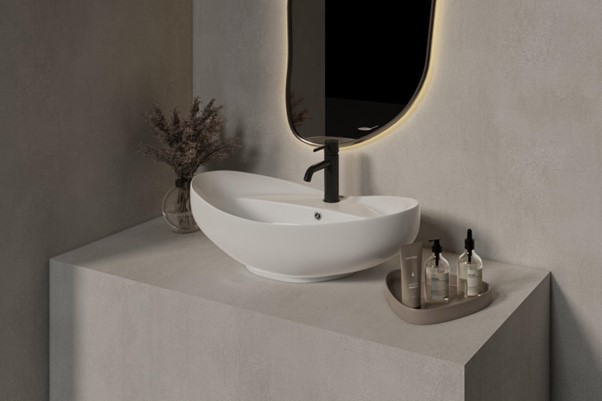
But there’s more: matt tiles also bring a modern, premium aesthetic to interiors. Designers love them because they fit well into modern interiors, earthy themes, Scandinavian minimalism, and industrial concepts. Whether you choose stone-look matt porcelain or warm wood-look planks, the calming, smooth look transforms a space while maintaining high functionality.
Understanding the Key Features of Matt Tiles
1. Superior Slip-Resistance
Matt tiles typically provide better friction due to micro-texture on the surface. You’ll often notice a slightly grainy feel when you run your hand over them. This is especially true for textured tiles, which are purposely designed to increase grip in wet conditions.
The best matt tiles for safety include:
- R10–R11 rated tiles for bathrooms and kitchens
- R11–R13 rated tiles for outdoor and high-moisture zones
- Tiles with a dCOF ≥ 0.42, which is the recommended friction level for wet floors
If you’re buying bathroom matt tiles or flooring for a shower area, these numbers matter.
2. Low-Glare Surfaces
Glossy floors can bounce excessive light into your eyes, especially in sunlit living rooms or bathrooms with glass partitions. Matt tiles solve this by offering low-glare tiles with soft light diffusion. The result is a soothing visual tone that reduces eye strain and creates a more comfortable, premium environment.
This low-glare quality makes matt tiles perfect for:
- Bedrooms
- Living rooms with large windows
- Outdoor verandas
- Minimalist and modern-themed interiors
3. Easy Cleaning & Maintenance
There’s a misconception that matt tiles are harder to clean, but that only applies to extremely rough outdoor tiles not high-quality porcelain matt tiles. Today’s easy-clean tiles are engineered so that dirt doesn’t get trapped easily.
Here’s what makes them low-maintenance:
- Their matte finish hides water spots, fingerprints, and smudges.
- Grains are shallow enough to prevent dirt buildup.
- Stains don’t penetrate easily, thanks to dense, low-porosity porcelain.
This makes kitchen matt tiles especially useful, since cooking areas tend to gather oil splatters, dust, and occasional spills.
Where Matt Tiles Work Best in the Home
1. Bathroom Flooring & Shower Zones
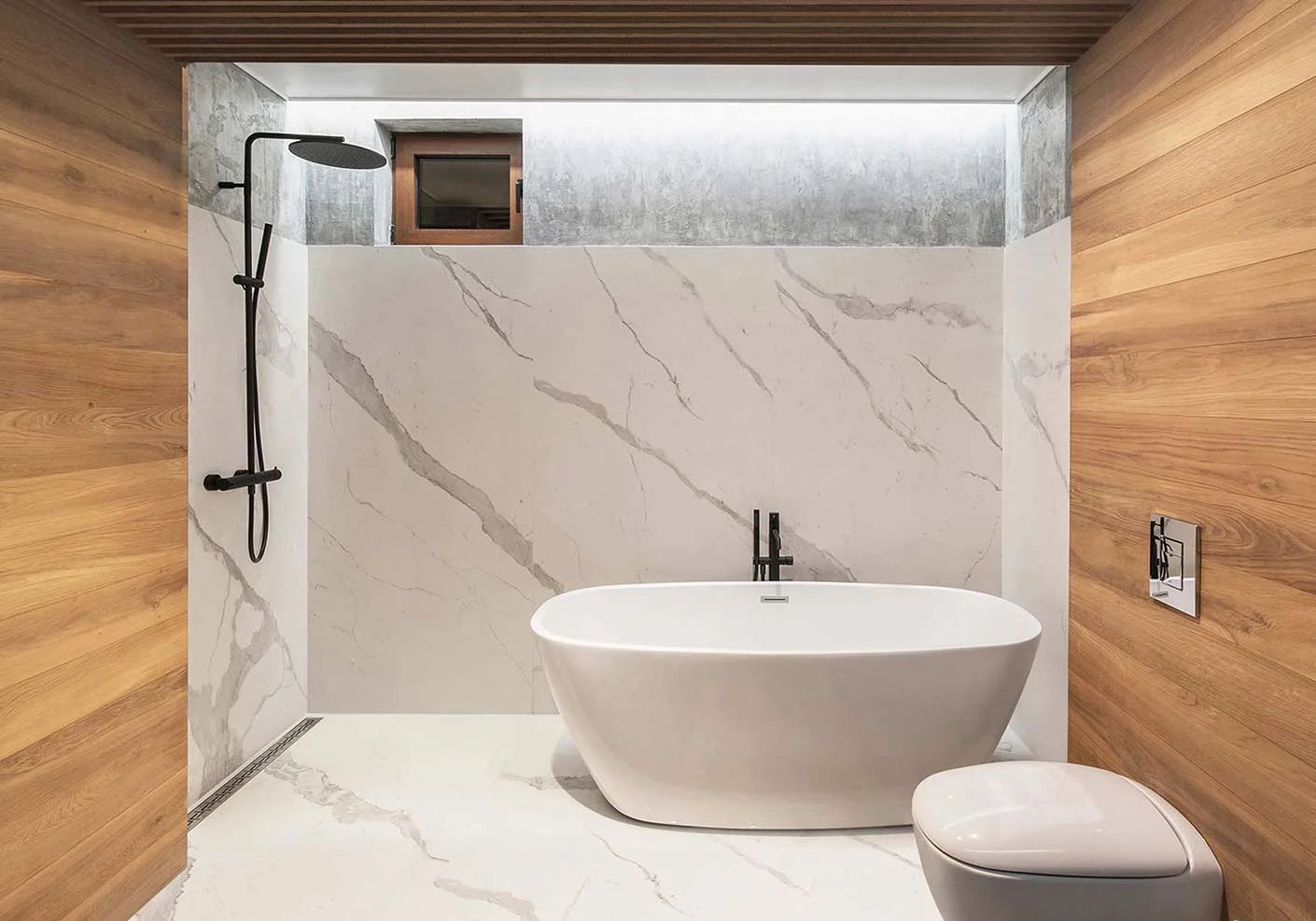
Nothing beats matt porcelain when it comes to bathroom flooring. Bathrooms are moisture-heavy spaces, and using glossy tiles on the floor is an invitation for slipping injuries. Bathroom matt tiles provide steady footing, even when water or soap is on the surface.
In shower areas, textured tiles or anti-slip mosaics are ideal because the grout patterns add extra grip. Modern bathroom designers use a combination of gloss for walls and matt for floors to strike a balance between style and safety.
2. Kitchens & Cooking Spaces
Kitchen floors face two enemies: water and grease. Both make glossy surfaces hazardous. Kitchen matt tiles offer grip even when spills happen. They also withstand heavy foot traffic and constant cleaning with detergents.
A bonus advantage? Matt tiles hide scratches from dragging stools, grocery bags, or children’s toys better than polished floors.
3. Hallways, Corridors & Entry Zones
These areas experience continuous movement guests, luggage trolleys, pets, and more. Matt tiles reduce slip risk while hiding dust and scuff marks that glossy finishes highlight.
The soft texture also gives entryways a more welcoming look, making them ideal for modern urban homes.
4. Balconies, Patios & Outdoor Areas
Outdoor areas get wet frequently rain, cleaning, or humidity. This is where anti-slip matt tiles with higher friction ratings are essential. Outdoor-rated matt porcelain survives heavy weather, doesn’t fade easily, and maintains traction throughout the year.
5. Living Rooms & Bedrooms
This is more about aesthetics than safety. In living areas, the richness of matte finish flooring provides an elegant, spacious, calming atmosphere. In bedrooms, matt tiles create a warm look that supports restful interior design.
Tile Surface Finishes: How to Choose the Right Matt Style
Not all matte finishes are identical. The finish directly affects both appearance and performance.
Smooth Matt Finish
- Subtle, soft look
- Good for bedrooms and living areas
- Easy to clean
- Not suitable for very wet floors unless paired with texture
Textured Matt Finish
- Higher grip
- Best for bathrooms, kitchens, and outdoor zones
- Adds a natural stone or rustic feel
- Requires slightly more effort during cleaning, but still manageable
Satin Matt Finish
- Semi-matt with a soft sheen
- Excellent for living rooms and hallways
- More elegant and less “raw” than pure matt
Understanding these finish differences helps you choose a tile that looks beautiful while serving its purpose safely.
How to Select the Best Matt Tiles for Slip-Free Spaces
Choosing the right matt tiles is not just about style there are technical details you should prioritize. A good tile dealer will mention these voluntarily; if they don’t, you should ask.
Here’s what to consider:
1. Slip Rating
As mentioned earlier:
- R10 or R11 for bathrooms
- R11–R13 for outdoor zones
- dCOF ≥ 0.42 for wet flooring
This ensures real-world safety instead of guessing based on texture.
2. Material Type
For indoor slip-free floors, porcelain is the strongest contender thanks to its density and low water absorption.
Ceramic matt tiles work well on walls or low-traffic rooms, but not always in wet floors because they may have higher porosity.
3. Tile Surface Finish
Match the finish to the room:
- Smooth matt for living areas
- Textured matt for wet zones
- Satin matt for hallways
4. Tile Size
Large-format matt tiles are trending in modern interiors, but they aren’t ideal for shower floors. Smaller tiles or mosaics with more grout lines offer better traction and drainage.
5. Maintenance Requirements
Avoid tiles with overly deep grooves unless you are installing outdoors. For indoor areas, prefer tiles labeled as easy-clean tiles, where manufacturers have engineered surface finishes that resist buildup.
Maintaining Matt Tiles Without Reducing Slip Resistance
Slip-resistant tiles can lose performance if they are coated with oils, detergents, or polishing agents. Proper maintenance preserves grip.
Here’s what you should do:
- Clean regularly using pH-neutral cleaners.
- Avoid wax-based or oil-infused cleaning liquids.
- Use soft brushes occasionally for textured surfaces.
- Dry bathroom floors after showers to prevent soap buildup.
If the grip seems reduced over time, it’s usually due to deposits rather than tile wear. Deep cleaning restores the original slip resistance.
Matt Tiles & Aesthetics: Making Safety Look Stylish
The assumption that matt tiles look dull is outdated. Today’s matt designs include:
- Concrete-look matt porcelain
- Wood-look planks
- Stone-inspired matt tiles
- Timeless neutral palettes
- Bold charcoal textures
- Terra cotta matt finishes
These designs complement industrial lofts, minimalist homes, rustic villas, and contemporary apartments alike. If you want understated luxury, matt tiles can be the backbone of your interior theme.
Final Thoughts: Why Matt Tiles Are Worth Choosing
Whether you’re renovating a bathroom, redesigning a kitchen, sprucing up a balcony, or simply planning for long-term home safety, matt tiles provide an ideal combination of beauty and functionality. They deliver dependable traction, withstand heavy usage, offer low glare, and blend effortlessly into modern interiors.
From bathroom matt tiles that provide secure footing to kitchen matt tiles that resist slips during busy cooking sessions, matt surfaces elevate both safety and style. Plus, with the rise of durable anti-slip tile options, innovative tile surface finish technologies, and improved cleaning characteristics, homeowners no longer need to choose between aesthetics and practicality.
If you want a flooring solution that looks sophisticated, feels comfortable, and protects your family, matt tiles are one of the best investments you can make.