Ceramic Tiles Cracking? Avoid These Common Mistakes
Ceramic tiles are chosen every day for homes, kitchens, bathrooms, and walls because they look good, feel familiar, and fit comfortably within budget. Yet cracking remains one of the most common complaints homeowners face after installation. Often, the tile itself is blamed when in reality, the problem lies elsewhere.
Cracked ceramic tiles are rarely the result of a single mistake. More often, they’re caused by a series of overlooked decisions: choosing the wrong tile for the space, improper installation, or misunderstanding how ceramic behaves over time.
This article breaks down the real reasons ceramic tiles crack and shows you how to avoid those mistakes before they become expensive regrets.
Understanding Ceramic Tiles Before Choosing Them
Ceramic tiles are made from natural clay, shaped and fired at high temperatures, then finished with a surface glaze. This makes them lighter and more cost-effective than some alternatives, which is why they are often seen as affordable tiles for residential use.
However, ceramic tiles are not designed for every application. They perform best when used correctly and fail when expectations exceed their intended use. Understanding this difference is the first step in preventing cracks.
Ceramic vs Porcelain: A Critical Distinction
One of the most common mistakes begins with confusion between ceramic vs porcelain. While they may look similar, their internal structure and performance differ significantly.
Ceramic tiles are less dense and slightly more porous. Porcelain tiles are fired at higher temperatures, making them harder and more resistant to impact and moisture. When ceramic is used in areas meant for porcelain such as heavy-traffic floors the risk of cracking increases dramatically.
Choosing ceramic when porcelain is required is one of the fastest paths to tile failure.
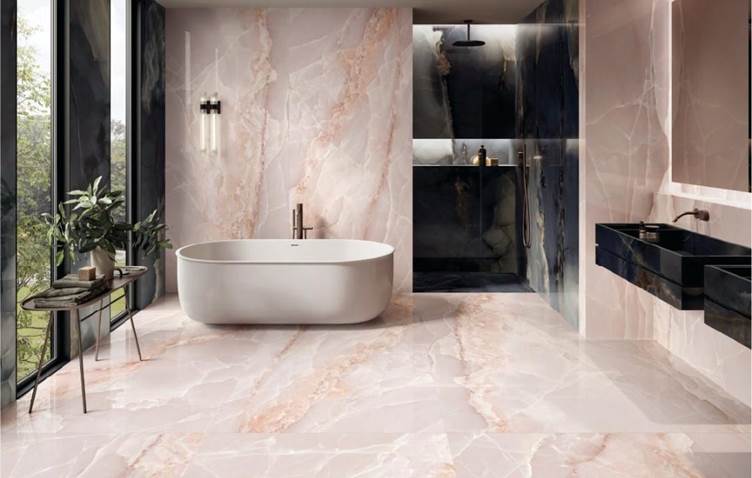
Emil Ceramica, under Mohawk Industries, has specialized in high-quality tile design for over five decades. Their Big Slabs (120×278 cm) and Tiles (20×120 cm, 60×120 cm) combine premium materials with innovations like SilkTech and Shield Antibacterial, all backed by a strong commitment to eco-friendly practices.
Mistake #1: Using Ceramic Tiles on High-Traffic Floors
Ceramic tiles are excellent for walls and light-use areas, but they are not designed to handle constant foot traffic or heavy loads. Using ceramic tiles in hallways, entrances, or commercial spaces places stress on a material that isn’t built for that level of impact.
This doesn’t mean ceramic lacks value, it means it has a specific role. Understanding where to use ceramic tiles protects both the tile and your investment.
Ceramic excels where weight and movement are minimal, not where durability must carry the design.
Mistake #2: Ignoring Subfloor Preparation
Even the best ceramic tile will crack if installed on an unstable surface. Subfloor movement is one of the most overlooked causes of tile damage.
Uneven surfaces, weak concrete, or improper leveling create pressure points beneath the tile. Over time, these points concentrate stress until the ceramic fractures. Ceramic tiles, being less flexible than other flooring materials, are especially vulnerable to this.
A strong foundation matters more than the tile itself.
Mistake #3: Poor Installation Techniques
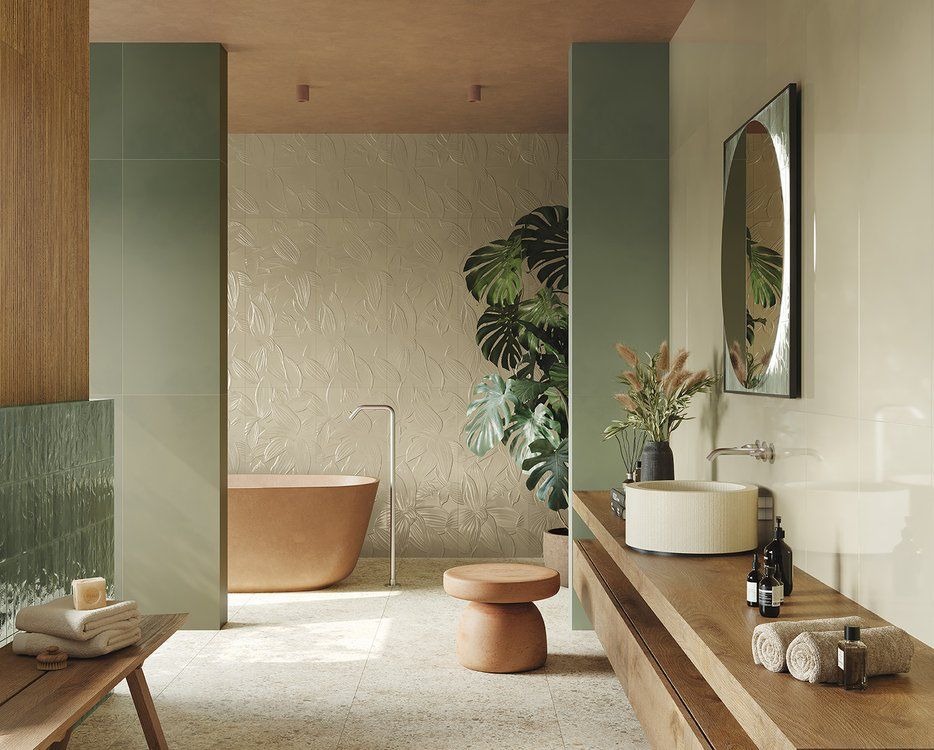
Improper ceramic tile maintenance often gets blamed for cracks but installation quality plays a far larger role. Incorrect adhesive coverage, uneven spacing, or rushed curing times all compromise tile integrity.
Ceramic tiles require full adhesive support beneath them. Hollow spots allow movement, which leads to cracks under pressure. Skipping expansion joints is another frequent error that prevents tiles from adjusting naturally to temperature changes.
A good installation is invisible but its absence is obvious.
Mistake #4: Overloading Ceramic Tiles
Ceramic tiles are not designed to support concentrated weight. Heavy furniture, appliances, or equipment placed directly on ceramic floors can cause point-load stress.
This is especially common in kitchens, where refrigerators, islands, or storage units exert constant pressure. While ceramic for kitchen walls works beautifully, ceramic flooring requires careful planning and weight distribution.
Ignoring load limits turns small stresses into visible cracks.
Mistake #5: Choosing the Wrong Finish for the Space
Not all ceramic tiles perform the same way. Glazed ceramic tiles offer surface protection and easy cleaning, but the glaze does not increase structural strength.
Using thin or decorative ceramic tiles in demanding environments leads to premature failure. Finish affects maintenance and appearance, not load-bearing capacity.
Understanding this distinction prevents false expectations.
Ceramic Wall Tiles: Where Ceramic Truly Shines
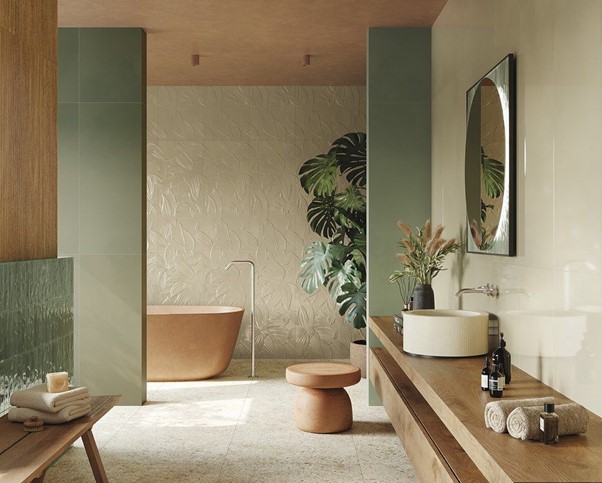
If ceramic has a perfect application, it’s walls. Ceramic wall tiles are lightweight, easy to install, and visually versatile. They bring color, texture, and pattern into spaces without structural stress.
Bathrooms, kitchens, and feature walls benefit from ceramic’s design flexibility. Since walls don’t experience foot traffic or heavy loads, ceramic tiles perform exceptionally well here.
This is where ceramic delivers its full value without compromise.
Ceramic Tile Benefits When Used Correctly
Ceramic tiles offer several genuine advantages when applied appropriately. These benefits often get overshadowed by misuse rather than material failure.
Ceramic tile benefits include:
- Cost-effective pricing
- Wide design and color options
- Easy surface cleaning
- Lightweight installation
- Ideal performance on walls
When ceramic is used within its limits, cracking becomes the exception not the rule.
Ceramic Tile Prices: Why Cheaper Isn’t Always Better
Low ceramic tile prices can be tempting, but quality varies widely. Inconsistent firing, uneven thickness, or weak glazing increase the risk of cracks.
Price should reflect manufacturing quality, not just appearance. Paying slightly more for well-made ceramic tiles often prevents costly repairs later.
Affordability should never mean fragility.
Cleaning Ceramic Tiles Without Causing Damage
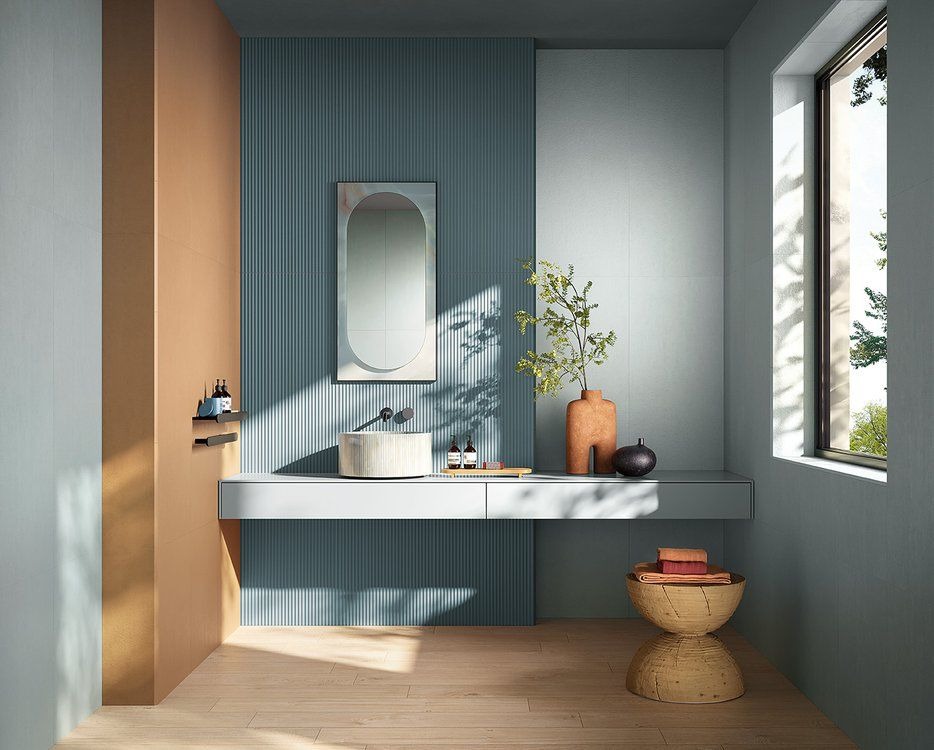
Improper cleaning ceramic tiles methods can weaken grout and glaze over time. Harsh chemicals, abrasive tools, and excessive water exposure slowly degrade the tile surface.
Gentle cleaners and soft tools preserve both the glaze and grout. Consistent, correct cleaning extends tile life and maintains appearance without introducing new stress.
Maintenance should protect not punish the surface.
Ceramic Tile Maintenance: Prevention Over Repair
Good ceramic tile maintenance focuses on prevention. Regular inspection of grout lines, prompt repair of minor cracks, and avoiding heavy impacts all help extend tile lifespan.
Once a ceramic tile cracks, replacement is often the only solution. Prevention saves time, money, and frustration.
Ceramic rewards attention but doesn’t tolerate neglect.
H-VERSE: Material Clarity Matters
At H-VERSE, material selection is approached with clarity rather than assumption. Ceramic tiles are treated as design tools not universal solutions.
By guiding applications carefully whether ceramic wall tiles, porcelain flooring, or specialized surfaces H-VERSE emphasizes correct usage over forced fit. This philosophy ensures materials perform as intended, not as hoped.
When tiles are chosen with understanding, problems disappear before installation even begins.
Since the early 2000s, Laminam has redefined the tile industry with its ultra-thin “Made in Italy” Big Slabs, becoming a global leader in natural surfaces. Their range, including 100×300 cm, 120×300 cm, and Bookmatch 162×324 cm slabs, blends innovation, versatility, and Italian design excellence.
Making the Right Ceramic Tile Decision
Before choosing ceramic tiles, ask the right questions:
- Is this a wall or floor application?
- Will the surface experience weight or movement?
- Is the subfloor stable and prepared correctly?
- Is ceramic the right material or is porcelain more suitable?
Clear answers prevent cracked tiles and costly replacements.
Final Thoughts
Ceramic tiles don’t crack because they are weak. They crack because they are misunderstood.
When used correctly, ceramic offers beauty, affordability, and reliable performance. When misused, it reveals limits that were never meant to be tested. Understanding ceramic vs porcelain, respecting load limits, and ensuring proper installation transform ceramic tiles from a risk into a reliable design choice.
Choose wisely, install carefully, and ceramic will reward you for years.
Searching for the best tile store in Lahore? At Hverse, we showcase premium ceramic, porcelain, Chinese, Spanish, and Italian tiles that combine style and strength. Visit our DHA Phase 6 showroom at 419 Main Boulevard to explore elegant options for homes, offices, and commercial projects.